
Most serious leadership training happens after somebody already has the title. The people one step below it are the ones deciding, this week, how a hard conversation goes. I train those people, on the conversation they are actually having, until the skill is theirs.
The next ups
Every company has a few people who are next.
The rep who will run the team. The manager who will run the region. The founder's first seller. You have watched one of them get the title and then go quiet. They are handed a process document, and a process names the steps; it doesn't give anyone a mental model for the conversation inside each step. So the promotion sits there, and a year later the company buys a manager from somewhere else with three to five years of a different company's experience. The person who could have done the job was already in the building. That is the whole reason this is called NEXT Up Leader. Here is what training them looks like instead.
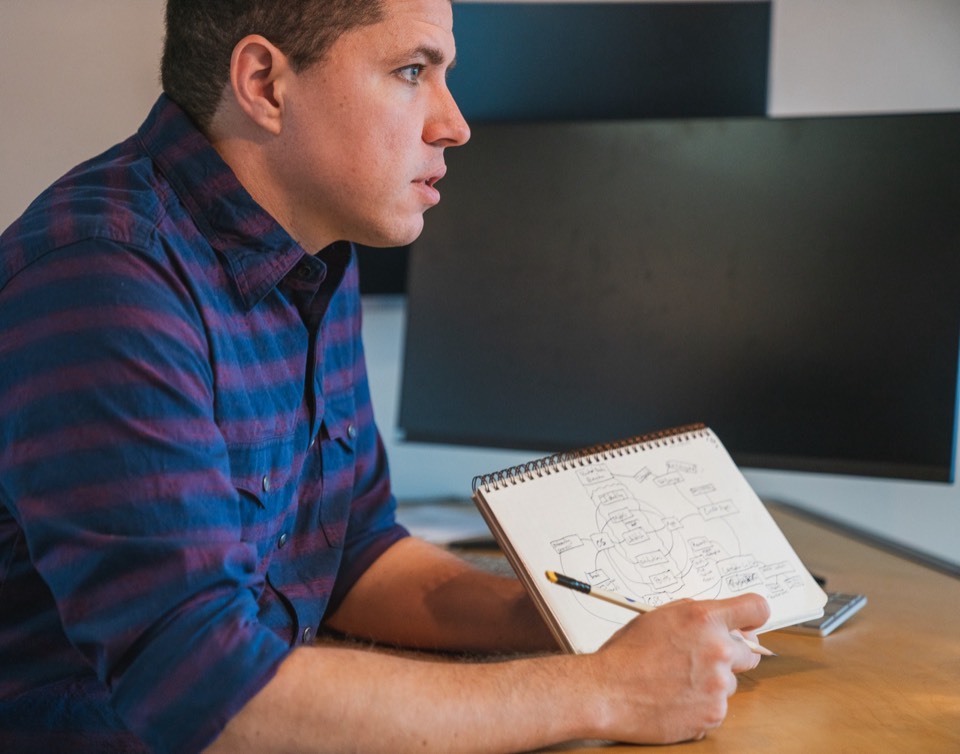
What happens in a dojo
The same cycle, every week, on live material.
They bring the conversation they are carrying this week. The meeting they have to lead. The email they cannot get right.
We find the right framework for the job, so they are thinking in mental models rather than collecting tactics.
Reset. Reposition. Try it again. Do it this way. I grade the conversation, never the person, and they run it again while it is still warm.
Each skill has a level and a starting point, so people can see what moved between one quarter and the next.
What the training is grounded in
Everything I do is grounded in classical rhetoric, brain science, and my experience as a practitioner.
Aristotle defined pathos as putting the hearer into the right frame of mind. That is a skill, and it can be trained.
Guard goes up and comes down for reasons. These tactics are de-anxious-ing. And the mouth needs reps before it can say the thing under pressure.
I have carried the number and run the cross-functional team, not coached it from the sideline. I still get nervous before the room, and I know what to do with it.
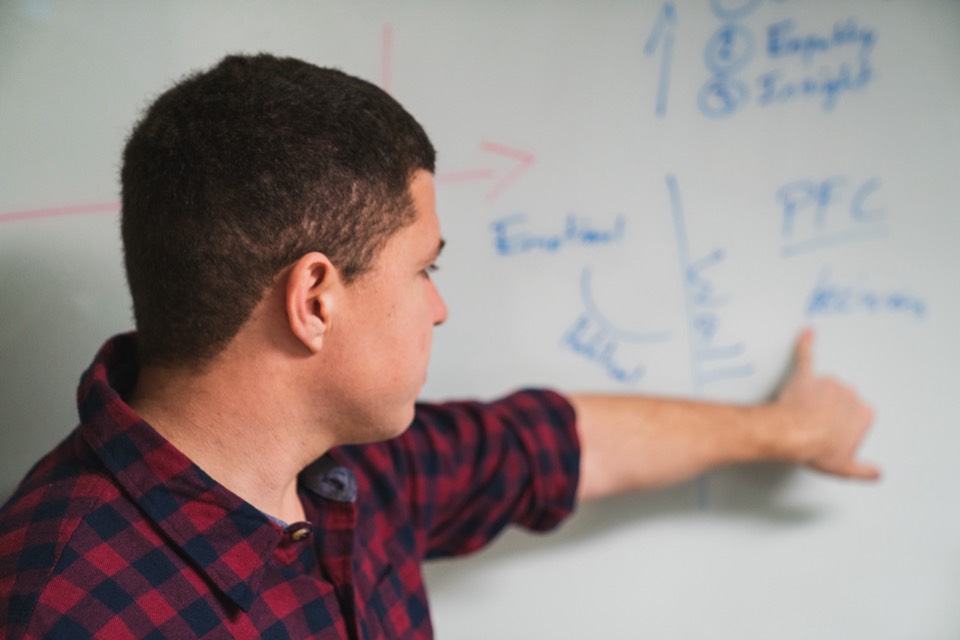
How the week runs
The dojo has four standing parts.
Slack Community
Feedback, shares, assistance, celebration
Assigned weekday
Drills and problems in your focus skills
Varies, W/Th/Fr
Bring your puzzles and train or roleplay
Quarterly
Your baseline and progression, per skill
Recordings, frameworks, materials
Transformations we seek
Six things people carry out of the room.
The skills map
Discovery, arrangement, style, delivery. Your executives pick which ones your people work first.
Five ways in
Five doors, and the right one depends on who is doing the work.
Emergent Leader Dojo
Your next ups, from any department, in a weekly dojo on the week they are actually having.
Open →
Sales Dojo
Your sales team, on their own calls, graded and drilled in pods every week.
Open →
Founder Dojo
You built the product and now you are the one selling it. I know why you are afraid of sales.
Open →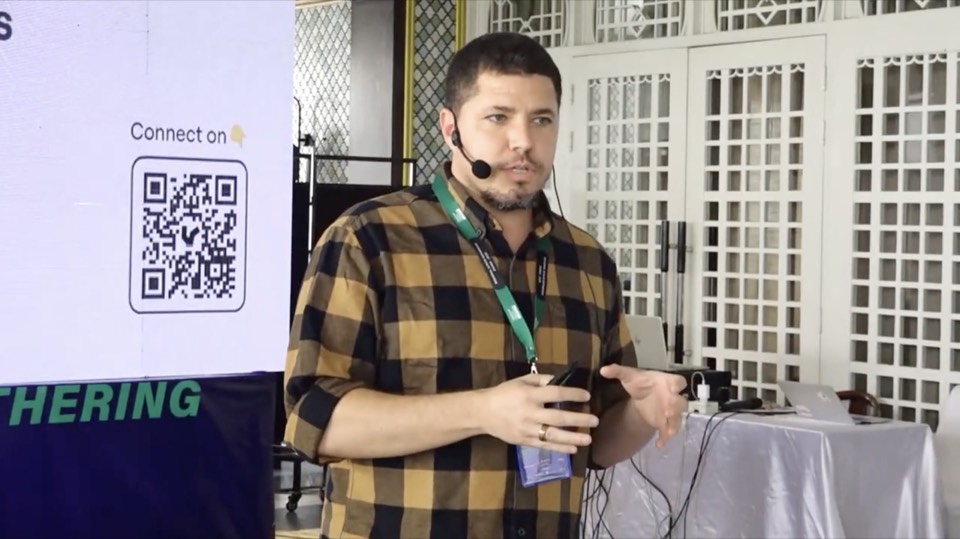
Workshops
One room, one afternoon. Everybody brings a live conversation, dated, with a name on it, and we rebuild it on the board.
Open →Who is talking
I've coached debate by night for 20+ years, three of them with the prison team at the Huntsville Unit, and by day I've been on both sides of the table negotiating and closing multimillion-dollar deals, building teams and companies.
He sells
He coaches



 Shared Economy Tax
Progressive Motion
Shared Economy Tax
Progressive Motion