
Workshops
Executive communication is what I coach. One point per turn is the key, and what that means is think of it like executive chess. When it's your turn, you take a short turn and you hand the mic back. These skills are more caught than taught, so I bring people live on stage.
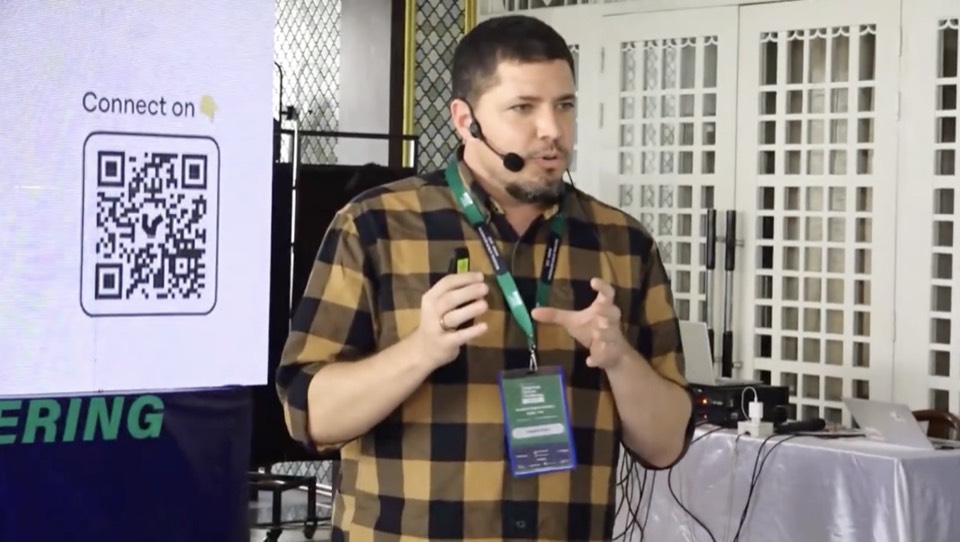
Watch me work
You should not have to take my word for how a room goes, so here are three of them.
Watch the four seconds after somebody finishes a weak answer. That is the whole product, and the second clip is the exchange printed below it.
Executives, founders, serious managers
I'm a communication coach.
In the first 60 to 90 seconds they are triaging. A lot of executives masquerade as giving attention and then they don't really. Executive and very senior people have a form called probing, where they ask you a question or say something really dogmatic, almost an attack, to see how you respond, and it's not actually the substance of it. I do it too. If you come to me and I hear you and I don't get it, I'll just be like, I don't get it. That's not clear enough. If you crumble under that pressure, that actually tells me everything I need to know. But if it doesn't scare you that I said something harsh to you, then that tells me everything I need to know also, which is you probably do know something. I just don't know what it is yet. I'm kind of used to this. Having now done this myself many times, my opinion is that that level of jarring and discomfort is exactly what you need to activate them.
Let me give you a little bit of foundation
Everything I do is grounded in classical rhetoric, brain science, my experience as a practitioner, and their skill sets and abilities, and we train to that.
Aristotle's literal definition of pathos: how do we put the hearer into the right frame of mind to receive what we're saying. That's a skill. That's why we call it the frame.
These tactics are de-anxious-ing. Your brain sees things and thinks things that your mouth needs a little bit of time and reps at to express well.
Personally closed $35M+ in deals with these models. A VC said girls don't play soccer. I said it's the number one sport for girls until they're twelve in this country. Right? It changed the dynamic.
What you need is a couple of baselines that you can come back to, and you're just like, I know that I do this, I help this thing, so we can improv on that.
Don't debate me. See if you can follow something in there.
From a coaching call this month, on the conversation the founder was walking into next week.
We already manage our context extremely well at our company.
You already managed it well. You manage it yourself at your company.
Both of those are not wrong. I would give them like a B plus. It's going the way you want to. Instead of challenging how well I do it, which is where your questions were going, and that's got defensive land.
Manage. That's the whole response. Or manage how.
The gates of trust are passed through curiosity and empathy. That's just pure curiosity, and people like to talk about themselves.
From a coaching call, September 2026. The founder's name is withheld.
Every room works the same way
I'm just riffing right now for a little bit, and you can join in and type too. Let's just get some ideas out here on the table.
We usually do this by literally just blabbering our first draft. It's going to be too long, it's not going to be bullet pointed, doesn't matter.
We're in improv here, so we're actually playing together with words, so you can't be wrong. We'll do executive chess here, so you get infinite prep time to ask one thing.
You were at 90 seconds that time, big applause. Already it's crisper. Next one, I want you to sound more like it's a proposal we can say yes to.
And you get to stand at the back and watch somebody you believe in get visibly better than they were at ten in the morning, without being the one who had to tell them the truth. You cannot be their cheerleader and their coach in the same conversation. A third voice in the room lets you be the blanket, not the hammer.
The five rooms
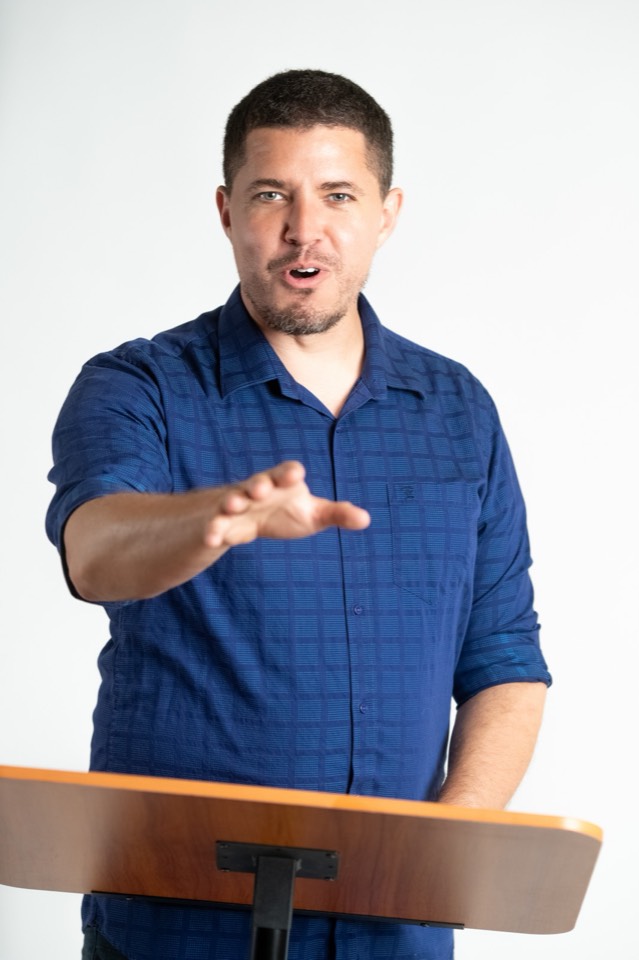
It was not a no. It was "maybe another time," and nobody who was in that room can tell you what went wrong. A smart person on your team presented for forty-five minutes to an executive who decided in the first five. The ask never quite got on the table, and the decision you needed this quarter is still sitting with somebody who never said why.
Skills drilled inside: the ninety-second launch, the four boxes, clear asks, verbal drafting, the twenty-word caveman draft.
What changesThe ask is in the body, not on a notecard. The executive's real criterion arrives in minute two instead of being guessed at for forty-five.
✓200+ live executive conversations prepped with Launch Frame.
See what happens in the room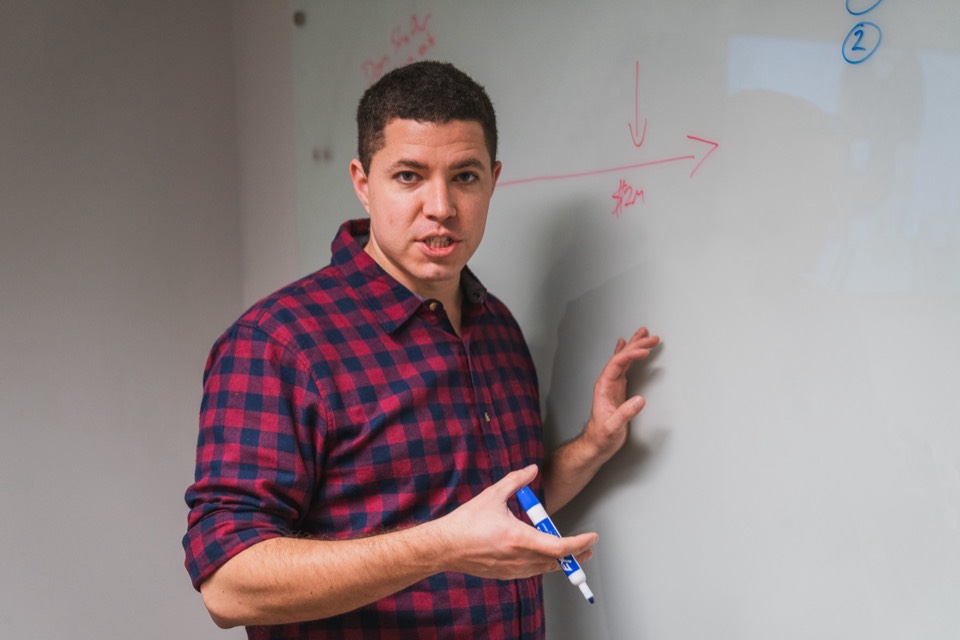
The hour after the launch
You got the ask on the table in ninety seconds. Now they have an hour of questions, and nobody ever taught your people that part. Most people learned to present slides as a walkthrough and speak until they are done. So when the investor, the executive, or the customer council starts asking, the deck comes back out and the meeting turns into a walkthrough again.
Skills drilled inside: executive probing, slides as random access memory, one point per turn, answering the question that was asked, the strong close.
What changesThe hour after the pitch stops being a walkthrough and becomes the meeting where they decide, with your person steering by their criteria instead of the deck's order.
Bring this room to your team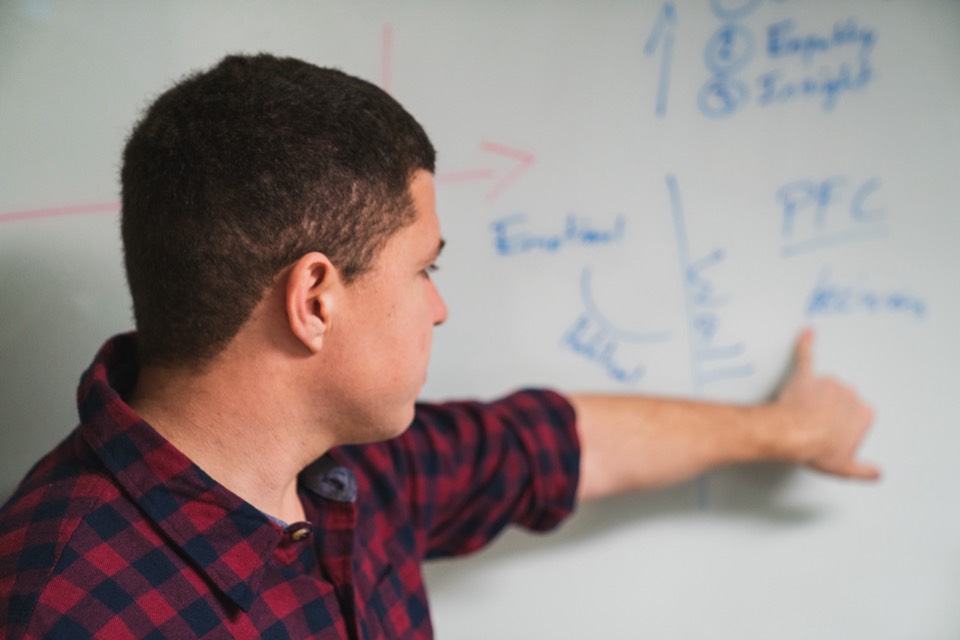
Acing your toughest customer conversations
Somebody on your team is dreading a conversation right now, and the waiting is costing you more than the conversation would. The renewal where the champion left. The customer who was already angry before the call connected. The price conversation that turns into an apology. Guarded people cannot hear you, and pressure makes them more guarded.
Skills drilled inside: dropping guard, getting to the same side of the table, hot-word mirroring, one point per turn, following the clues.
What changesThe conversation somebody was postponing happens this week, and the person on the other side of it can hear them.
✓Trained at premium service businesses from pet care to spas.
Bring this room to your team
and the trust model under them
Your people talk too much because they care, and every extra sentence pushes the other person away. An improv-style room. Three rules, used on the room before they are taught, and one model underneath: trust is the next risk someone is willing to take with you.
Skills drilled inside: one point per turn, open questions, following the clues, the trust model, executive interaction.
What changesPeople pick up a different language and a different way of being in an afternoon, because they use it on each other the whole time. The other side does the talking, and the next risk gets taken.
Bring this room to your team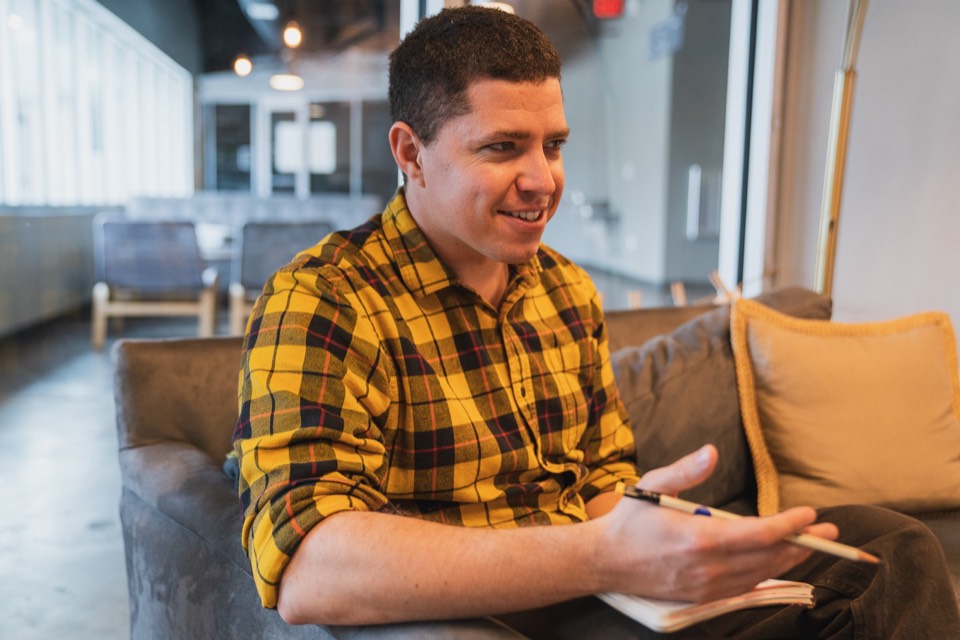
Your managers already have the hour. They are lecturing into it. The room was great, people said it was the best session they had been to, and by the second week nothing about how anybody opens a call had changed. This room is for the people who run your training, not your sellers.
Skills drilled inside: running a dojo, the correction that lands mid-sentence, designing progressions, naming and baselining a skill.
What changesThe hour your managers already hold starts changing how people open calls, and the training you already bought finally gets into the conversation.
✓250 key account managers coached at a Fortune 500 medical technology company. No company has started a dojo and stopped by choice.
See how a dojo runsWhen one day is not enough
These skills are more caught than taught.
Instead of two-hour lectures, I would put a concept on the table for five or fifteen minutes, just like a dojo. Here are some principles, and then we just get started. Your brain sees things and thinks things that your mouth needs a little bit of time and reps at to express well. It's a six practice thing. The first time you're like blah blah blah, that's not exactly what I meant to say, try it again. It gets clearer, sharper and more precise. I call them camps because I coached debate camps for years. The shape depends on your people, so we price it on the call. No company has started a dojo and stopped by choice.
Talks
Watch a talk
Sales Discovery Skills: Be the Best Sales Person Not In Sales
ProductCamp Austin. Best talk of the conference.
A High Stakes Turnaround Case Study
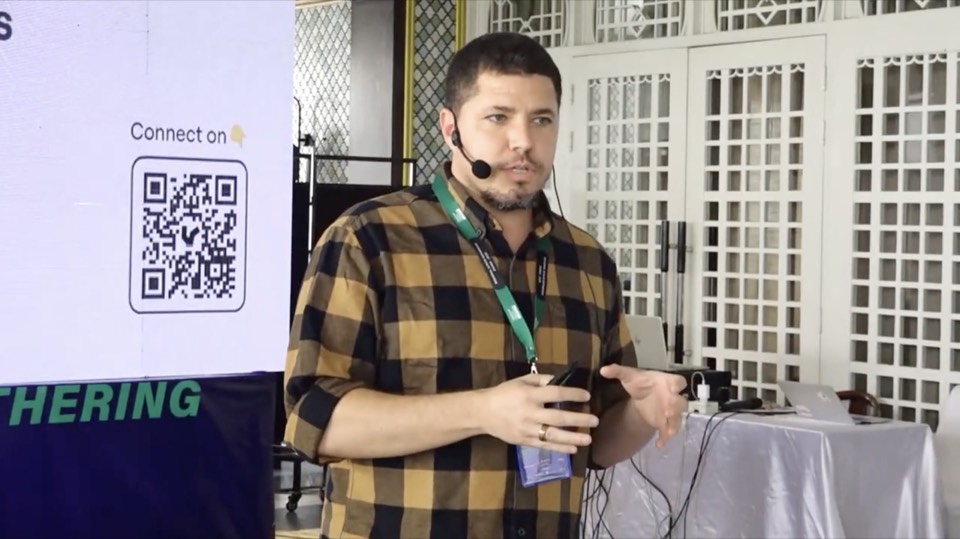
Regional Scrum Gathering, Dhaka 2025.
How to Build Trust in Conversations
On the Better Than Rich podcast.
The Brain Science behind Persuasion and Selling Mastery
On the Persuasion by the Pint podcast.
Who is in the room with you
Isaiah McPeak has coached 1,000+ professionals through their hardest conversations, from Fortune 500 sales teams to founders raising millions, and personally closed $35M+ in deals with these models.
Clients from Adidas to a debate team in prison.
Tell me about your room
Tell me what your team is up against. Not which workshop you want, and not a date first.
Most of my best rooms were never on a menu. Somebody told me what their people were walking into, and I built the day out of that. The agenda is whatever your people are walking into next week. The last few came in like this:
What happens next. I read every one myself and reply inside a day with what I would actually run, what we would drill, and which dates work. Not a proposal, not a brochure. If another room is the right one, I will say so. If you do not need a workshop at all, I will say that too and tell you what I would do instead. And if a partner sent you, say who. It changes what I ask you, and they will hear from me either way.
The 75 to 90 minute version at an all-hands, a kickoff, or a conference is priced per room. If your team needs a multi-day offsite, say so; I have run them, and we price it on the call. I deliver every one of these myself, so the calendar is the constraint and not the price, and offsite and kickoff season goes early.
Four boxes and one line. I reply myself, inside a day, with what I would run and which dates work.